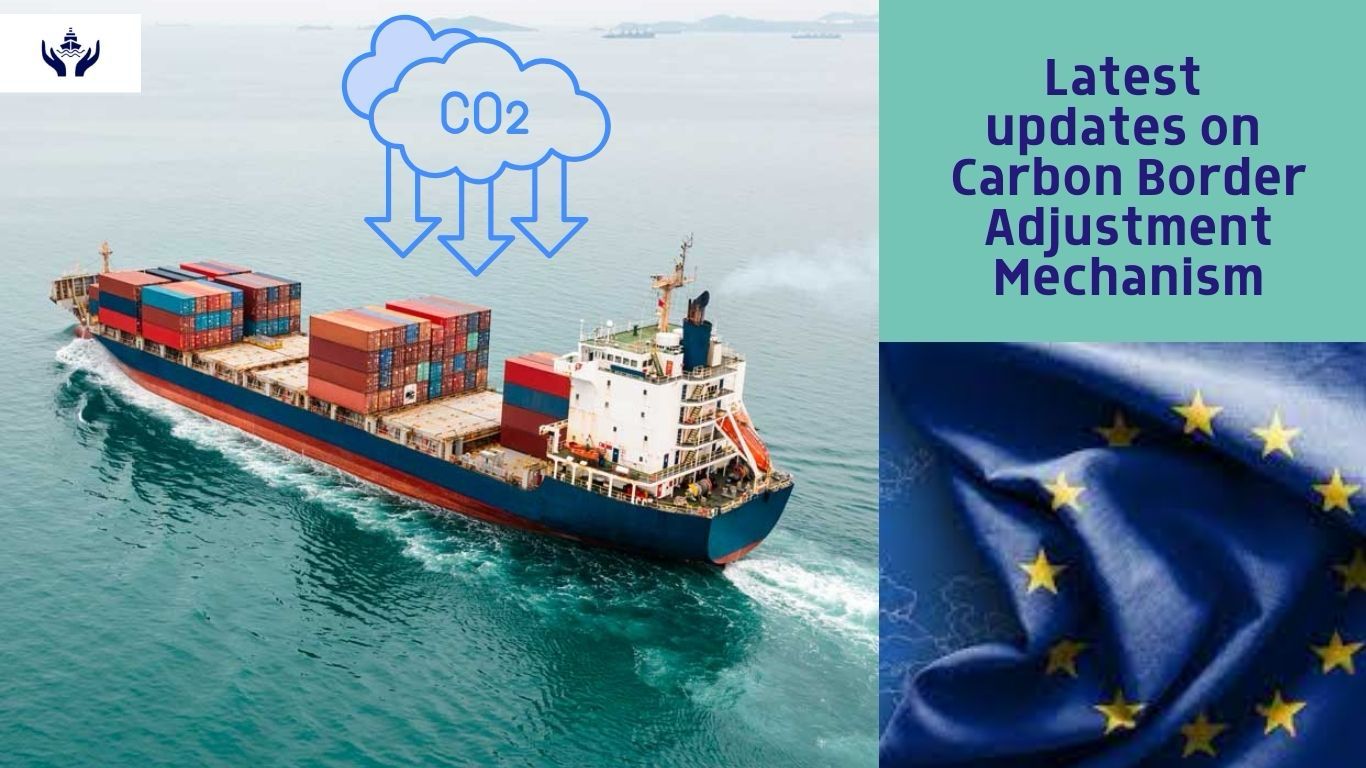
CBAM Explained (2026 Update)

The EU's Carbon Border Adjustment Mechanism

The EU's Carbon Border Adjustment Mechanism (CBAM) is now officially in effect as of 1 January 2026, marking a significant step in global climate policy. This mechanism ensures imported industrial goods pay for their carbon emissions, preventing 'carbon leakage' and promoting cleaner production worldwide.

Why CBAM Was Created

The EU's Carbon Border Adjustment Mechanism (CBAM) is a unique policy designed to ensure that imported industrial goods are subject to the same carbon costs as goods produced within the European Union. This initiative aims to prevent **"carbon leakage"**, a scenario where carbon-intensive production moves to countries with less stringent environmental regulations, thereby undermining global climate efforts.

The primary objectives behind the creation of CBAM are:

  • Ensure fairness between EU and non-EU producers by applying similar carbon costs.
  • Prevent carbon-intensive production migrating to countries with lower climate standards (carbon leakage).
  • Support global decarbonisation by encouraging cleaner production methods worldwide.

CBAM is an integral part of the EU's broader climate goals under the **European Green Deal**.

How CBAM Works --- Simple Breakdown

CBAM implementation is structured into two main phases:

1. Transitional Phase (Oct 2023 -- Dec 2025)

  • Importers reported the carbon emissions embedded in their goods entering the EU.
  • No financial payments were required yet.
  • This phase helped businesses prepare and test compliance systems.

2. Definitive Phase (From Jan 1 2026)

  • CBAM enters its **full implementation** phase.
  • Importers must **continue reporting carbon emissions** embedded in goods.
  • Importers start accumulating obligations for carbon costs.
  • However, **the first purchase and surrender of CBAM certificates happens in 2027** --- covering emissions from goods imported in 2026.

This means businesses start planning and reporting now, and financial payments begin next year.

Which Products Are Covered

CBAM applies to **carbon-intensive imported goods**, including:

  • Steel and iron
  • Aluminium
  • Cement
  • Fertilisers
  • Electricity
  • Hydrogen

These sectors were chosen because they are energy-intensive and face a high risk of carbon leakage.

In the coming years, the EU may expand the list to **downstream products** (finished goods containing steel, aluminium, etc.).

How Importers Pay

Importers will need to **purchase CBAM certificates** that reflect the carbon emissions in the goods they bring into the EU. The **certificate price is linked to the EU carbon market price** --- essentially the same price paid under the EU's Emissions Trading System (ETS).

But **payments don't start immediately** --- the first certificate surrender obligation is due in **2027** for goods imported in 2026.

Important Compliance Rules

From January 2026:

  • EU importers must obtain CBAM authorization and hold a **CBAM account number**.
  • Customs declarations must include new CBAM-related data codes.
  • Businesses must track and report **embedded emissions information**.

These requirements ensure accurate reporting and monitoring for future carbon payments.

Global Impact

Although CBAM is an **EU policy**, it affects countries and exporters globally:

  • Countries exporting goods into the EU --- like **India, China, Brazil, and others** --- must adapt to the new carbon price requirements.
  • Some governments are concerned CBAM could be seen as **protectionist**, arguing it shifts climate policy burden onto exporting nations.
  • This has spurred discussions and technical negotiations between the EU and various trading partners.

Why CBAM Matters

CBAM aims to:

  • Promote fair competition between EU and non-EU producers.
  • Encourage cleaner production methods globally.
  • Ensure climate policies are not undermined by shifting production abroad.

However, it also brings challenges such as compliance complexity and diplomatic concerns --- especially for developing country exporters.

Conclusion

The EU's Carbon Border Adjustment Mechanism is a historic climate and trade policy that officially entered its definitive phase on 1 January 2026. It sets a global standard for pricing carbon in international trade.

For businesses and exporters, understanding and preparing for CBAM is essential --- not just for compliance but for competing in a future where carbon costs matter everywhere.

CBAM represents a major shift toward climate-aware trade --- and it's just the beginning.

Contact Us

Need help with CBAM compliance or have questions about EU carbon regulations? Our experts are here to assist you.

Reach out to Varuna Sentinels BV at contact@varuna-sentinels.com or visit our website www.varuna-sentinels.com